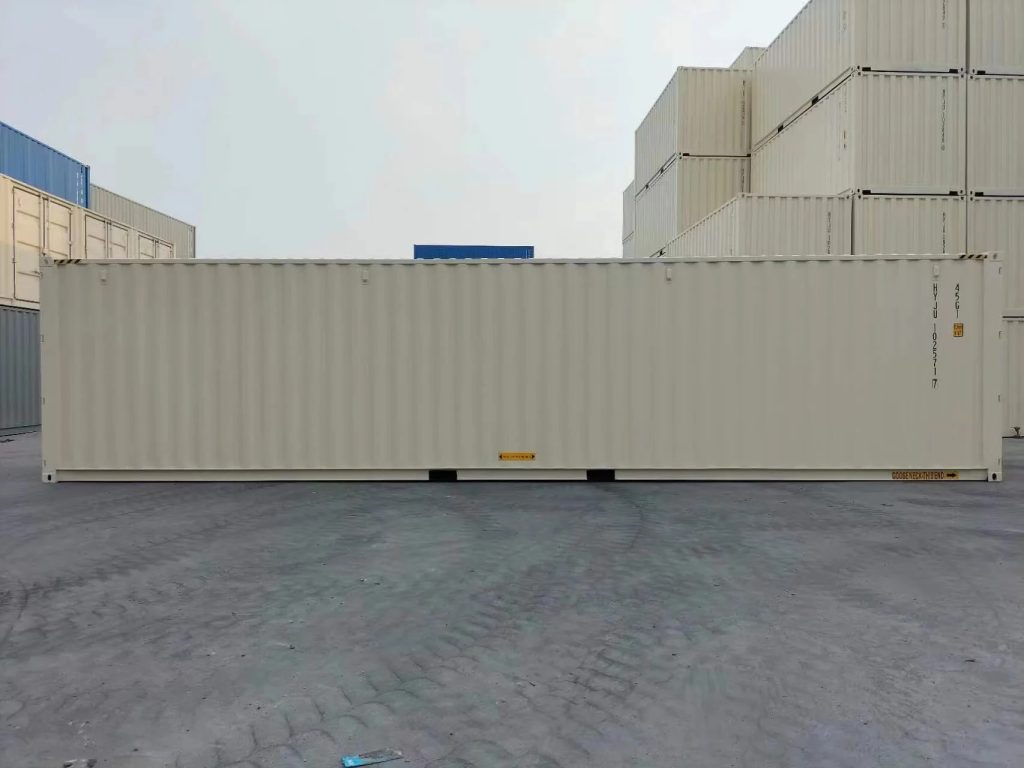
The Not So Well-Known Benefits Of Size Of 20 Foot Container
Understanding the Size of a 20-Foot Container: Dimensions, Capacity, and FAQs
When it pertains to shipping containers, the 20-foot container is among the most frequently used choices in the logistics and transportation industry. Whether you are a company owner seeking to carry items overseas or someone considering moving, knowing the dimensions and capacity of a 20-foot container is necessary. 20 Foot Container will supply a detailed introduction of a 20-foot container's size, its capacity, and answers to regularly asked concerns.
Dimensions of a 20-Foot Container
The size of a 20-foot container is standardized, making it much easier for shipping companies and clients to prepare their logistics. Let's break down the dimensions commonly related to a 20-foot container:
Measurement
Imperial
Metric
Length
20 feet (ft)
6.058 meters (m)
Width
8 feet (ft)
2.438 meters (m)
Height
8.5 feet (ft)
2.591 meters (m)
Interior Length
19.4 feet (ft)
5.898 meters (m)
Interior Width
7.7 feet (ft)
2.352 meters (m)
Interior Height
7.9 feet (ft)
2.385 meters (m)
Door Width
7.5 feet (ft)
2.280 meters (m)
Door Height
7.5 feet (ft)
2.286 meters (m)
Key Features
Capability: A standard 20-foot container can hold an optimum payload of about 22,000 kg (approximately 48,500 lbs). The internal volume is approximately 33 cubic meters (1,172 cubic feet).
Material: Most 20-foot containers are built from corrugated steel to ensure strength and resilience against external aspects.
Kinds Of 20-Foot Containers: While the basic container is the most typical, there are specialized types, consisting of:
- Reefer Container: Designed for temperature-sensitive cargo.
- Open-Top Container: Facilitates the loading of extra-large freight.
- Flat Rack Container: Ideal for heavy equipment or products that don't suit regular containers.
Advantages of 20-Foot Containers
Understanding the advantages of using 20-foot containers can assist logistics supervisors and individuals make notified choices:
Cost-Effective: Due to their basic size, 20-foot containers tend to have lower transport costs compared to larger containers.
Versatile: They can accommodate numerous kinds of cargo, making them appropriate for different shipping needs.
Ease of access: Their manageable size makes them much easier to pack and unload, particularly at smaller sized ports or locations with limited access.
Easy Shipment Tracking: The standardized dimensions enable enhanced plans within shipping vessels, boosting delivery tracking effectiveness.
Just How Much Can a 20-Foot Container Hold?
When jam-packed effectively, a 20-foot container can hold around:
- 10— 12 standard pallets,
- 50-60 boxes of durable goods,
- 4 to 5 motorbikes,
- 1— 3 small cars and trucks.
The precise capability might vary based upon the cargo's dimensions and weight constraints.
Use Cases for a 20-Foot Container
From industrial endeavors to individual relocations, making use of 20-foot containers spans numerous sectors:
- Shipping Goods: Businesses often use them to ship items globally.
- Moving: Ideal for people wanting to move, supplying adequate space for a studio apartment.
- Storage: Many business lease or acquire containers for on-site storage of devices or stock.
- Mobile Offices: Containers can be transformed into offices or work spaces in construction websites or remote places.
- Structure: Eco-friendly construction companies repurpose containers to develop homes or offices.
Frequently Asked Questions
Q1: What is the weight of an empty 20-foot container?
Answer: An empty 20-foot container normally weighs between 2,200 kg to 2,500 kg (around 4,850 pounds to 5,500 lbs).
Q2: How much cargo can a 20-foot container bring?
Response: A standard 20-foot container can bring a maximum payload of about 22,000 kg (roughly 48,500 pounds).
Q3: How can I pack a 20-foot container efficiently?
Response: To fill effectively:
- Use pallets to simplify the packing process.
- Distribute the weight evenly.
- Stack items logically, positioning heavier products at the bottom.
Q4: Can a 20-foot container be shipped by air?
Response: No, shipping containers are mostly created for freight shipping through ships and trucks. Air freight utilizes specialized containers developed for airplane.
Q5: Are there any regulations for shipping a 20-foot container?
Answer: Yes, policies might vary by country. Carriers should offer precise weight declarations, cargo descriptions, and adhere to custom-mades requirements.
Q6: How numerous 20-foot containers suit a shipping vessel?
Answer: The variety of 20-foot containers that can fit in a vessel depends upon the ship's design, size, and available area, but a normal cargo ship can carry a number of thousand TEUs (Twenty-foot Equivalent Units).
In summary, a 20-foot container is a flexible and extensively utilized shipping option. Its basic dimensions, payload capability, and unique advantages make it an outstanding option for various logistics needs. Whether transferring items, moving homes, or repurposing for new usages, comprehending the size and capacity of a 20-foot container can help you make informed decisions in your shipping ventures. For anyone associated with shipping or moving, purchasing a 20-foot container can be a tactical option that includes efficiency and reliability to your logistics operations.